










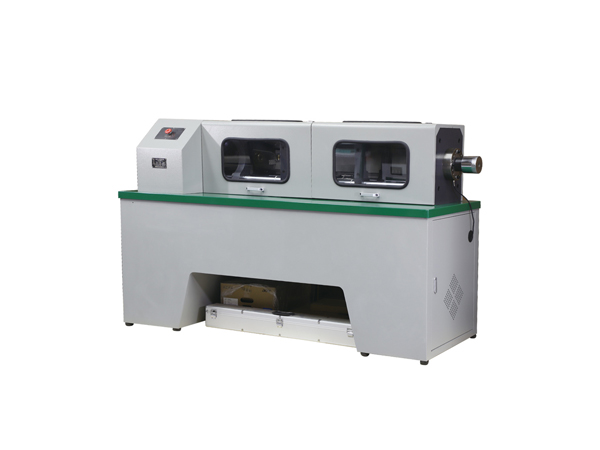
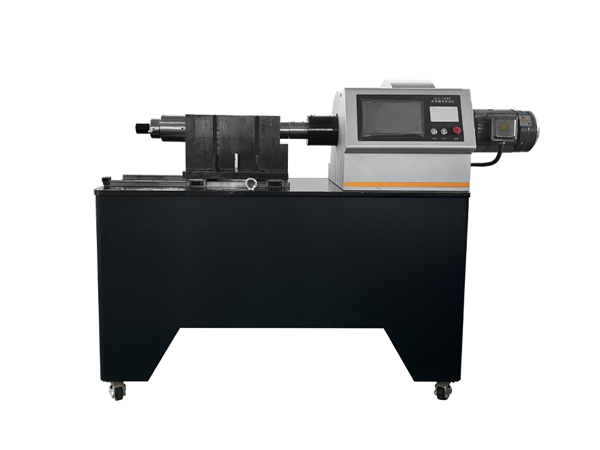
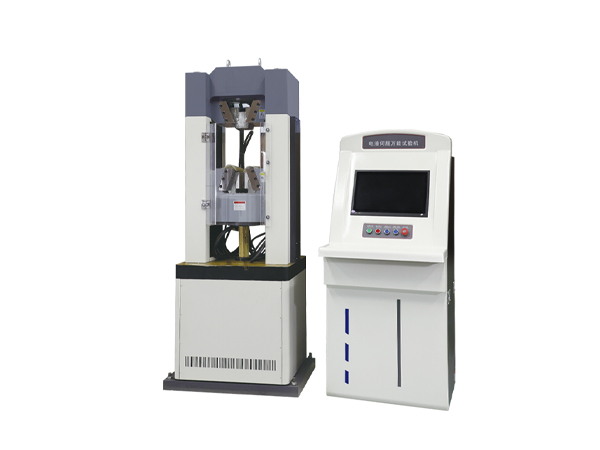
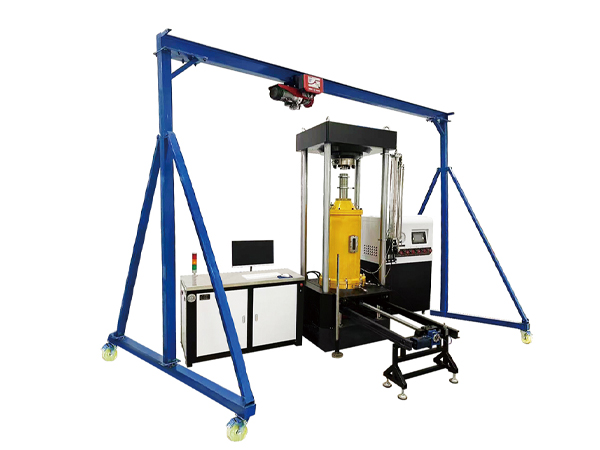







YZM-J microcomputer controlled asphalt mixture reflection crack test system
Overview: The YZM-J microcomputer controlled asphalt mixture reflection crack test system (hereinafter referred to as the reflection crack test system) is an instrument used to stud...
Online Message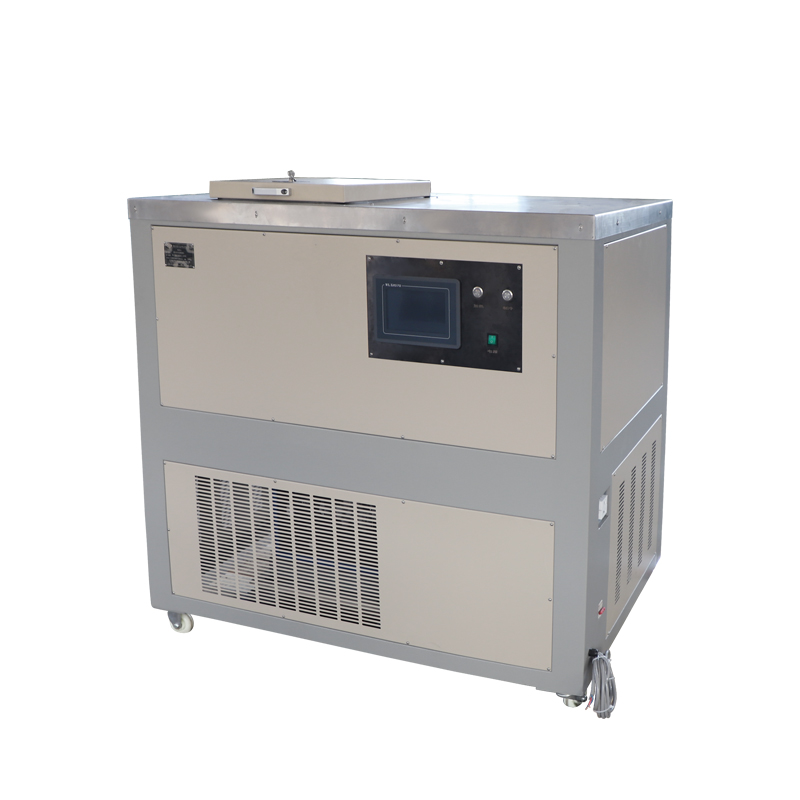
Product Overview
Overview
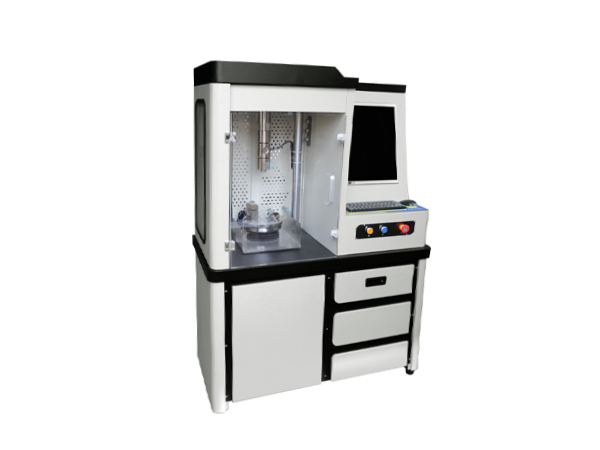
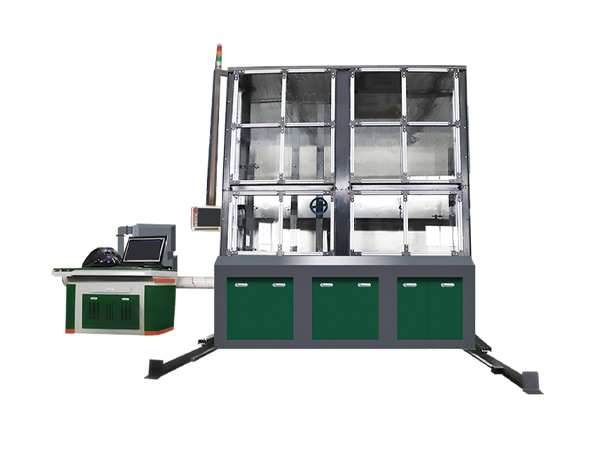
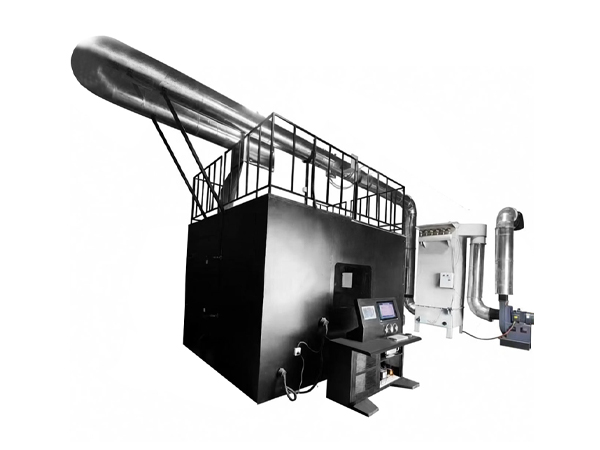
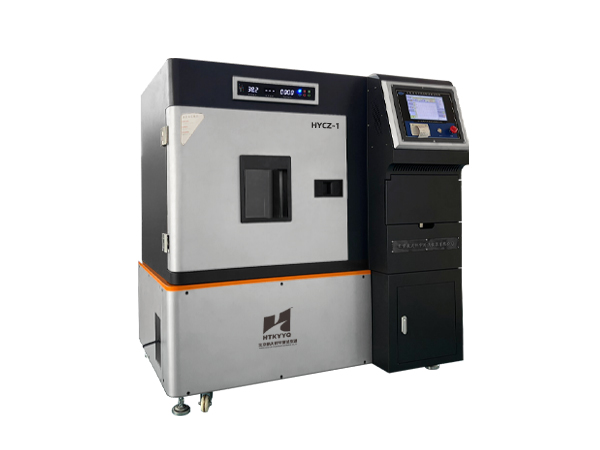
The YZM-J microcomputer controlled asphalt mixture reflection crack test system (hereinafter referred to as the reflection crack test system) is an instrument that studies the entire development process of reflection cracks in asphalt mixtures from cracking to failure at low temperatures. It can truly simulate the occurrence and development laws of asphalt pavement and reflection cracks under cyclic changes in weather and temperature.
In recent years, many new design methods for asphalt mixtures have made the mixture more rigid, thinner, and more resistant to rutting, but this material is more susceptible to fatigue and reflection cracks. This instrument is designed to simulate the expansion and contraction movements near plate connections or cracks. In practical engineering, this movement can cause reflection cracks on the paved road surface. Increasing the asphalt content will significantly improve the anti reflection crack performance of the mixture, and materials with poor resistance will be destroyed within a few minutes. This instrument not only enables the description of the occurrence and development of cracks in asphalt mixtures to become a reality, but also has fast detection results and good repeatability. The test results are well correlated with the beam bending fatigue test results and the in-situ low-temperature performance of the material.
The reflection crack testing system uses standard size specimens (usually 150mm long, 75mm wide, 12-50mm high) as required by the specifications for testing. The specimens can be obtained directly from the road core or cut using a rotary compactor in the laboratory. The sample is precisely adhered to two testing plates using an adhesive frame and special glue, and then installed on the loading frame. During testing, the loading mechanism uses triangular waves for continuous loading, alternately stretching and compressing the specimen (unipolar loading and bipolar loading are optional) to simulate the movement of the pavement wear layer with the movement of the fractured rigid material below. When the test reaches the termination condition, the instrument automatically stops running.
Main functions and technical parameters
【 Main Features 】
Designed according to ASTM specifications in the United States
Basic control and operation are completed by touch screen, while experimental operation and data processing are completed by PC
Complete experimental control function, equipped with unipolar and bipolar loading modes, and multiple flexible shutdown controls
Dual chamber design, the refrigeration and temperature control box is independent of the test box
Horizontal loading system with precision linear bearings and slides
High precision servo drive and high-precision stepper motor
A video pickup component with a wide-angle lens inside the box, which can observe cracks from a computer
[Main purpose]
Measure the process of crack formation and development in asphalt mixtures
[Standard]
ASTM WK26816
[System Components]
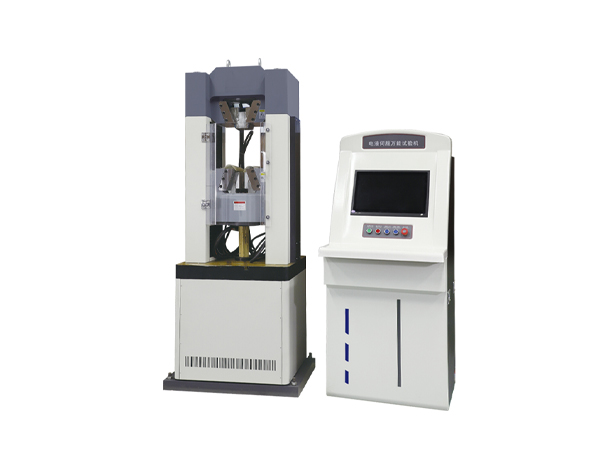
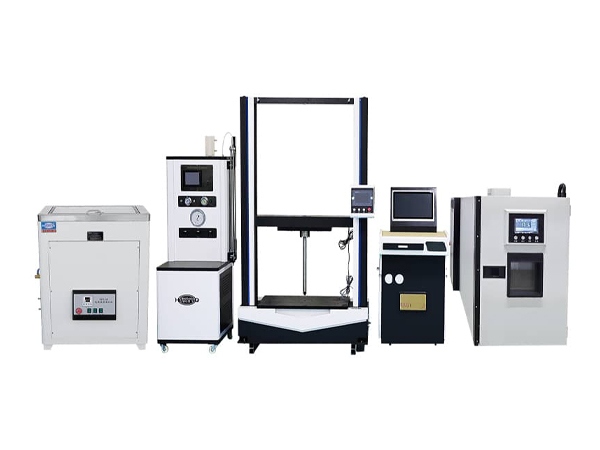
Reflective crack testing system host (including built-in temperature control system and loading system)
A digital dial gauge with a range of 25.4mm, used to measure the displacement of a flat plate
A 500W pixel wide-angle camera lens module
3 sets of sample testing plates
3 sets (2mm gap) of sample fixing plates
3 sets (4.2mm gap) of sample fixing plates
Personal computer (PC) and testing software used for the experiment
[Technical Parameters]
Project indicators
Sampling interval 0.01s
Load control method: triangular wave/constant displacement/combination control
Maximum displacement (loading stroke) 5.1mm
Displacement measurement resolution 1um
Maximum load 20KN
Load accuracy 0.25%
Loading cycle time 10-1000s
Cycle resolution 0.1%
Temperature control range -25~40 ℃
The temperature inside the environment is 0~30 ℃
Test termination condition: 0-100% load drop or 0-10000 cycles
Test specimen size 150 (± 2) * 75 (± 2) * (38~50) mm
Test flat material 45 # steel carburizing
Test tablet hardness>; ninety-five
Test the groove size on the surface of the tablet, which is 1.5mm * 3mm
Test the groove spacing on the surface of the tablet at 6.35mm
Test the initial spacing of the tablet at 2mm/4.2mm
Power supply voltage AC 220V
Power 1.5KW
Related Downloads



 400-021-5850
 Email:8B2, 7th Floor, No. 6 Nanxinyuan West Road, Chaoyang District, Beijing