










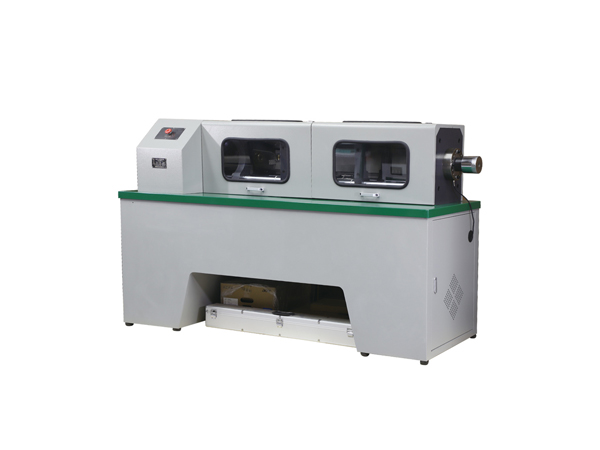
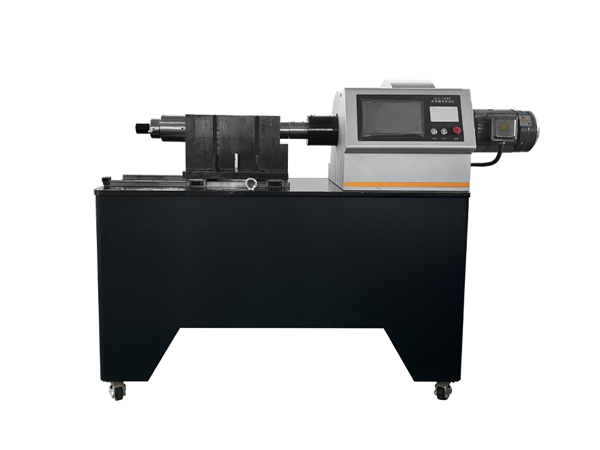
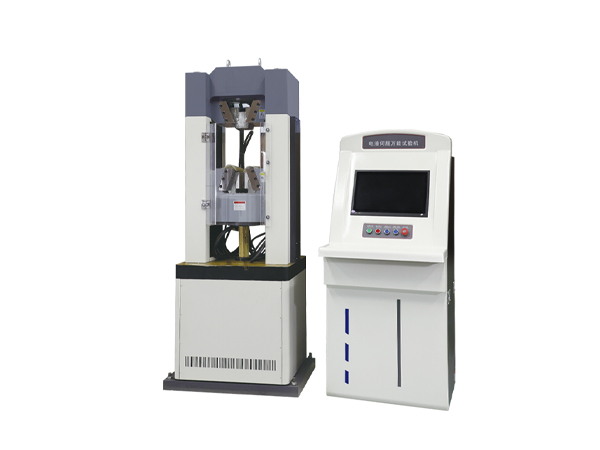
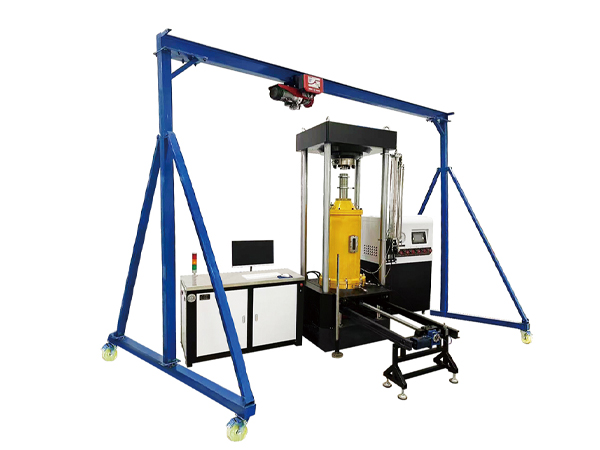
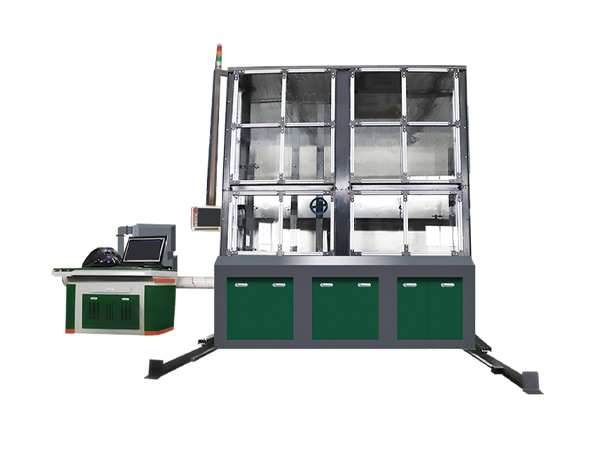







KZH-1A Asphalt Mixture Comprehensive Performance Test System
Product Information: KZH-1A Asphalt Mixture Comprehensive Performance Testing System is a newly launched split type, multi-functional asphalt mixture comprehensive testing machine b...
Online Message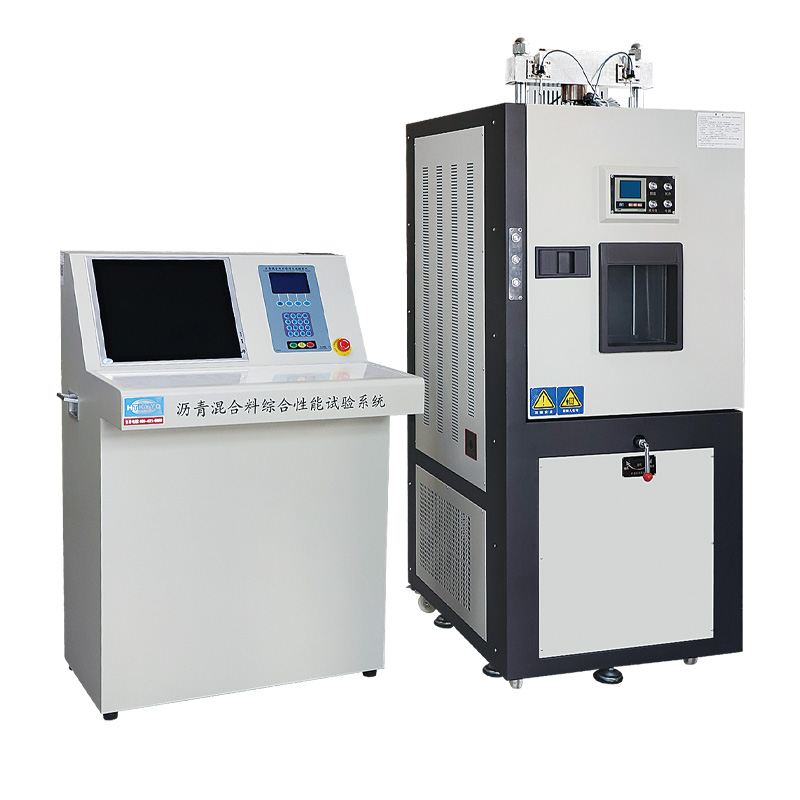
Product Overview
Product Information
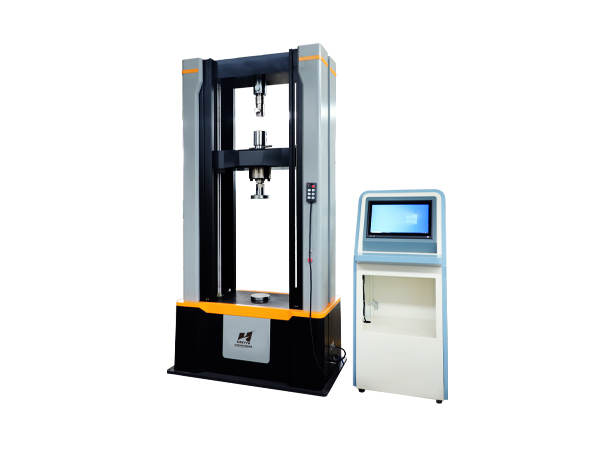
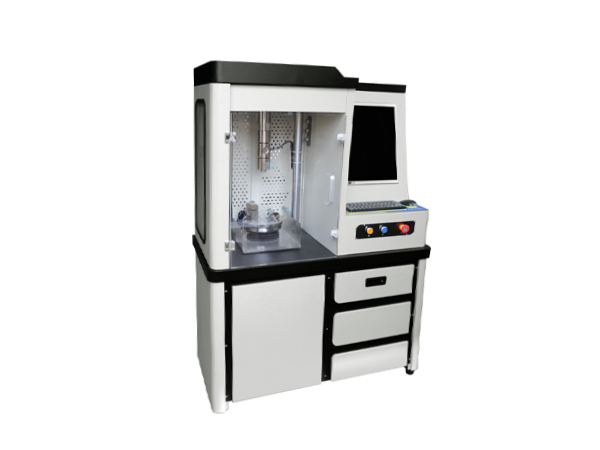
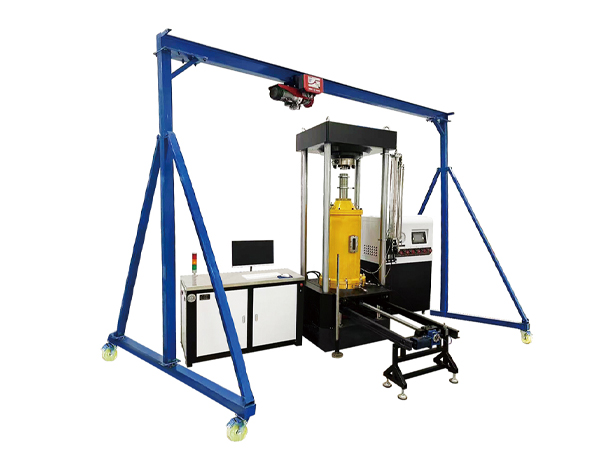
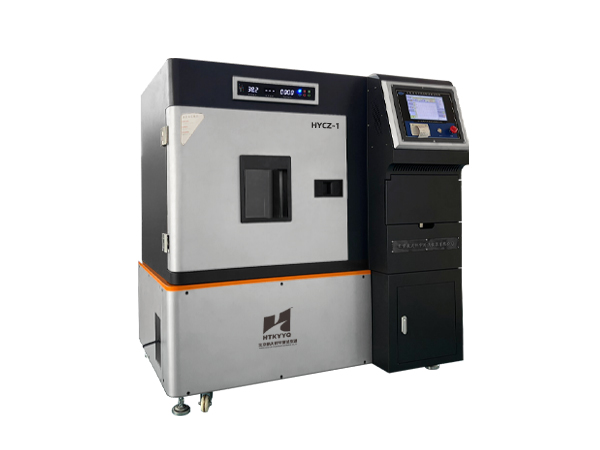
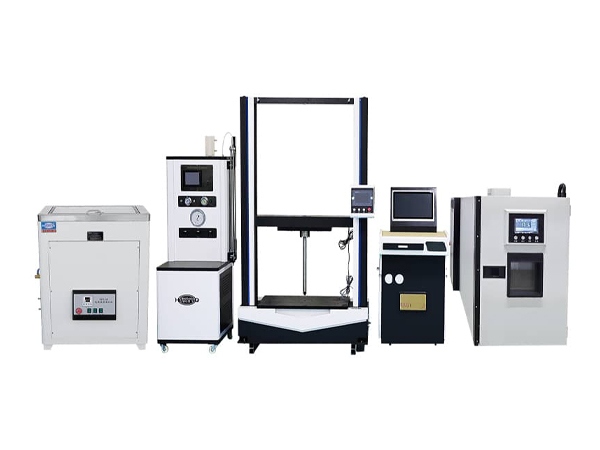
The KZH-1A asphalt mixture comprehensive performance testing system is a newly launched split type, multi-functional asphalt mixture comprehensive testing machine by our company. This testing machine adopts a host and control split design, and is equipped with a 15 inch industrial PC as standard. It adopts an analog-to-digital separation design, and the high-speed sampling CPU is specifically responsible for data sampling. It also supports two displacement sensor inputs with high accuracy and adopts a built-in real-time RTOS. The testing software is fully functional. The instrument also has a constant temperature box, which can perform low-temperature tests required for certain tests. The instrument automatically maintains a constant temperature with temperature fluctuations of less than 0.3 ℃, and can complete unconventional tests of various materials.
Product Features:
1. Standard 15 inch industrial computer with real-time display of test data and curves. Built in embedded real-time OS, modular software design, menu based operation, simple and clear operation, complete functions.
The input channel of the 2.2 channel time-sharing pressure sensor can be configured with different ranges to complete different functional tests.
3. RS232 communication port, with built-in communication protocol consistent with similar products of our company. The upper computer software can be connected to this instrument without modification to complete the start and stop of the test, and read the test result data and test process data.
4. Built in micro printer driver, which can be connected to a micro printer to output test results and simple curve graphs (optional).
5. Built in data storage function, which can save a total of 30 sets of data such as test parameters, test types, test numbers, test results, test curve data streams, etc., and can be directly viewed on the LCD screen.
6. 15 shutdown points can be set for both pressure and displacement, and crushing points and peak values can be detected. Some functions can be turned off through the settings. By selecting the pressure range, setting the recording point, pausing the function, and detecting the crushing point, the majority of material testing requirements can be completed.
7. The instrument automatically controls the temperature, and the target temperature can be set arbitrarily between -25 ℃ and 70 ℃.
8. It can connect to a PC and use the "Asphalt Mixture Testing System Software" to complete experimental operations, calculations, report printing, and other functions. This instrument can operate independently without a PC, but for instruments without a micro printer installed, it cannot print test conclusions. It is recommended to connect to a PC and use powerful PC software to complete experimental operations and data processing, in order to obtain more accurate test conclusions and complete report data.
Main technical parameters:
Whole machine part:
Host size: 740 * 1000 * 1925mm 420kg
Control cabinet size: 830 * 645 * 1240mm 40kg
Mechanical part:
1. Maximum rated load of the instrument: 100KN (30KN optional)
2. Maximum movement distance of screw disc: 200mm
3. Motor specifications: 1.5KW/2220V * 3, 2000r/min imported servo motor
4. Mobile speed: adjustable from 1 to 50mm/min (servo version).
Electric control part:
1. Range of pressure sensor:
Pressure channel 1:100KN (10T)
Pressure channel 2: 5KN (500gg)
2. Resolution: 0.001KN
3. Pressure accuracy: 0.5%
4. Displacement sensor (dual channel) range: 25mm
5. Resolution of displacement sensor: 25mm: 0.001mm
6. Displacement sensor accuracy: better than 0.5%
7. Power input: three-phase 380V ± 10%
8. Auxiliary heater power: 3000W
9. Compressor power: 1500W
10. Total power: 4.5KW
11. Temperature control accuracy: 0.5 ℃, resolution: 0 1℃
12. Constant temperature range: -25 ℃~70 ℃
List of supported experiments:
1. Marshall Stability Test (101.6/152.4)
2. Uniaxial compression test (prism method)
3. Bending test
4. Splitting/freeze-thaw splitting test
5. Uniaxial compression test (rebound modulus/cylinder method)
Related Downloads



 400-021-5850
 Email:8B2, 7th Floor, No. 6 Nanxinyuan West Road, Chaoyang District, Beijing